
WINTER DRIVING TIPS FOR POOR WEATHER CONDITIONS- WHAT EVERY DRIVER SHOULD KNOW.
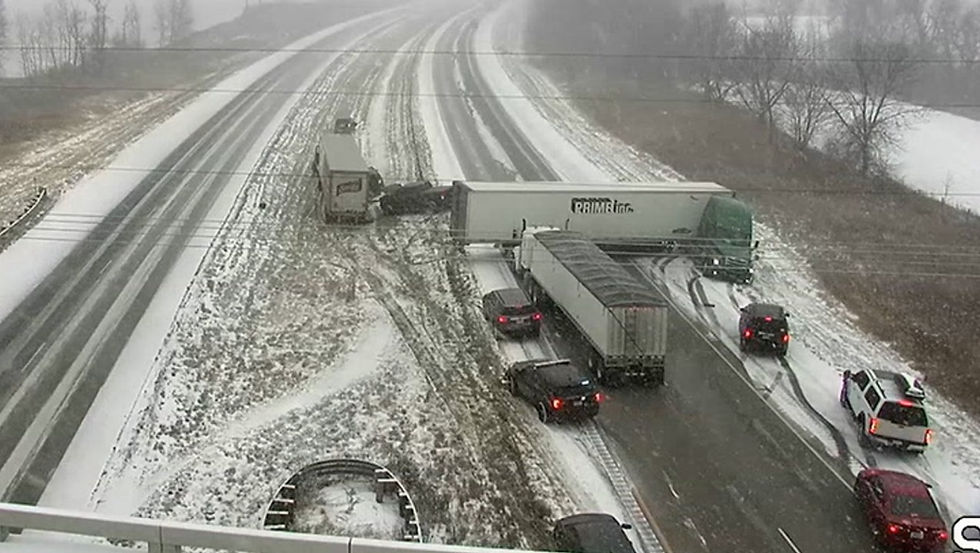
Here are some hard, cold facts your drivers should know: Driving on snowy roads can take your car 10 times longer to stop completely, according to AAA. Moreover, The Weather Channel notes that slushy or snowy pavement causes a 30% to 40% speed reduction on major roads.
Of particular note, about 17% of vehicle crashes occur in snowy conditions, according to the National Highway Traffic Safety Association. What’s more, 70% of roads in the United States are in snowy areas, which increases the threat of an accident significantly.
As the days grow shorter and the weather turns cooler, here are FIVE tips to keep yourself and others safe during icy conditions:
TIP #1 - REDUCE YOUR DRIVING SPEED IN ADVERSE ROAD AND/OR WEATHER CONDITIONS. Adjust your speed to safely match weather conditions, visibility, and traffic. Excessive driving speed is a major cause of fatal crashes,16 and higher speeds may cause more severe crashes.17 The Fatality Analysis Reporting System (FARS) recently reported that 25 percent of speeding-related large-truck fatalities occurred during adverse weather conditions.
** You should reduce your speed by 1/3 percent on wet road conditions and 1/2 or more on snowy packed roads.
Tip #2 - WHEN ENTERING A CURVE, GO SLOWLY!!!
Speed limits on curve warning signs are intended for passenger vehicles, not large trucks. Large trucks should reduce their speed even further. 40 percent of speeding related fatalities occur on curves. Braking while turning a curve can cause the wheels to lock up and the vehicle to skid on poor road conditions.
Tip #3- YOU SHOULD REDUCE YOUR SPEED BEFORE ENTERING AND EXIT/ENTERANCE RAMP! Truck rollovers are more likely to occur on an exit/entrance ramp when the driver misjudges the sharpness of the ramp curve. Even though ramps and interchanges make up less than 5 percent of all highway miles, 20 to 30 percent of all large-truck crashes occur on or near ramps.22
Tip #4 - DRIVE MORE SLOWLY WITH A LOADED TRAILER
Loaded trailers have a higher center of gravity and sudden speed adjustments may cause the load to shift, leading to skidding or a rollover. Loaded trailers require 20 to 40 percent more braking distance than passenger vehicles to come to a complete stop.24
Tip #5 - SLOW DOWN WHEN DRIVING THROUGH WORK ZONES
Before entering a work zone, decrease your speed, merge into the correct lane well ahead of any lane closures, and be prepared to slow down or stop suddenly


Comments